Many diesel drivers are reluctant to use an independent specialist for DPF work because they worry it will void their manufacturer or extended warranty. This is a common concern — and mostly based on a misunderstanding of how UK warranty law works. This guide explains what you are actually entitled to, what manufacturers can and cannot do under UK consumer law, and what to check before booking any DPF work.
In this guide
DPF fault but still under warranty?
Get a professional diagnostic check first. We explain exactly what the fault is and what your options are — before any work begins.
How car warranties work in the UK
When you buy a new or approved used car, the manufacturer’s warranty provides cover for defects in materials and workmanship for a defined period — typically three to five years depending on the manufacturer. During this period, the warranty covers genuine manufacturing faults, not wear and tear, accidental damage, or owner-caused problems.
The key point many drivers miss is that a manufacturer’s warranty does not give the manufacturer unlimited authority to dictate where you have your car serviced or repaired. UK law provides specific protections that limit how warranty conditions can be applied when independent specialists carry out work.
What the warranty covers
- Manufacturing defects in parts and materials
- Component failures that are not caused by misuse or neglect
- Pre-existing faults that appear within the warranty period
What the warranty typically does not cover
- Normal wear and tear on serviceable parts
- Damage caused by neglect, misuse, or inappropriate fuel
- Failure to follow the manufacturer’s service schedule
- Consumable items such as brakes, tyres, and filters (unless part of a specific extended warranty)
Note: DPF blockage is generally considered a maintenance issue rather than a manufacturing defect. Whether a DPF fault is covered under warranty depends on the specific circumstances — if the blockage is caused by normal use, it is unlikely to be a warranty claim in any case.
The Motor Vehicle Block Exemption
The most important protection for independent car owners and businesses is the Motor Vehicle Block Exemption Regulation. Originally introduced as EU law and retained in UK law post-Brexit, this regulation governs competition in the automotive aftermarket and has direct implications for warranty conditions.
Under this regulation, a manufacturer cannot automatically void a vehicle warranty simply because the owner used an independent garage or specialist rather than a franchised dealer network. The key condition is that the independent work must be carried out to the manufacturer’s specification using parts of equivalent quality.
What this means in practice
If a vehicle is under manufacturer’s warranty and you take it to an independent DPF specialist for a diagnostic check or cleaning service, the manufacturer cannot void the entire warranty on that basis alone. They would need to demonstrate that the specific work caused the specific fault they are being asked to cover — not simply that independent work was carried out at any point.
This is a meaningful protection. It means you are not required to use only franchised dealer network garages for every piece of work in order to maintain your warranty cover.
Important caveat: While the Block Exemption provides strong general protection, it does not override every possible warranty condition. Complex vehicles with highly integrated systems, specific warranty clauses, or extended warranties from third-party providers may have different terms. Always check your specific warranty documentation if you are unsure.
What actually can void a warranty
Understanding what the manufacturer actually has grounds to refuse coverage for is more useful than worrying about whether independent service voids the warranty. The following circumstances genuinely do give manufacturers reasonable grounds to decline a warranty claim:
Failure to follow the service schedule
If the manufacturer’s recommended service intervals have not been followed — or if the service has been carried out but not recorded — this can affect warranty claims relating to components that depend on regular servicing. Keeping service records, whether the work is done at a main dealer or an independent garage, is important.
Use of incorrect or substandard parts
Using non-compliant parts or fluids — particularly incorrect engine oil specifications, wrong fuel additives, or non-approved DPF cleaning chemicals — can void warranty cover for affected components. This is a genuine risk that responsible independent specialists take seriously. At DPF Clean Specialist, we use professional-grade equipment and products appropriate to the vehicle.
Work that directly causes the fault
If independent work is carried out incorrectly and directly causes a component failure, the manufacturer has grounds to refuse a warranty claim for that failure. This is not about using independent specialists in general — it is about workmanship quality on specific jobs.
Modifications
Tuning, remapping, or any modification that alters the manufacturer’s original specifications can void warranty cover for affected systems. This is unrelated to maintenance or repair work by independent specialists.
| Action | Warranty impact |
|---|---|
| Using an independent DPF specialist for diagnostics | Generally no impact under Block Exemption |
| DPF cleaning by a qualified independent specialist | Generally no impact under Block Exemption |
| Missing manufacturer service intervals | Can affect warranty claims for related components |
| Using incorrect engine oil or fuel additives | Can void warranty for affected components |
| Engine remapping or tuning | Can void warranty for affected systems |
| Forced DPF regeneration by a qualified specialist | Generally no impact under Block Exemption |
Is DPF cleaning specifically covered?
DPF cleaning by a professional, qualified specialist using appropriate equipment and products does not, under normal circumstances, constitute grounds for voiding a manufacturer warranty. The cleaning is a maintenance procedure — the equivalent of a filter service — and does not involve modifying or altering the vehicle’s specification.
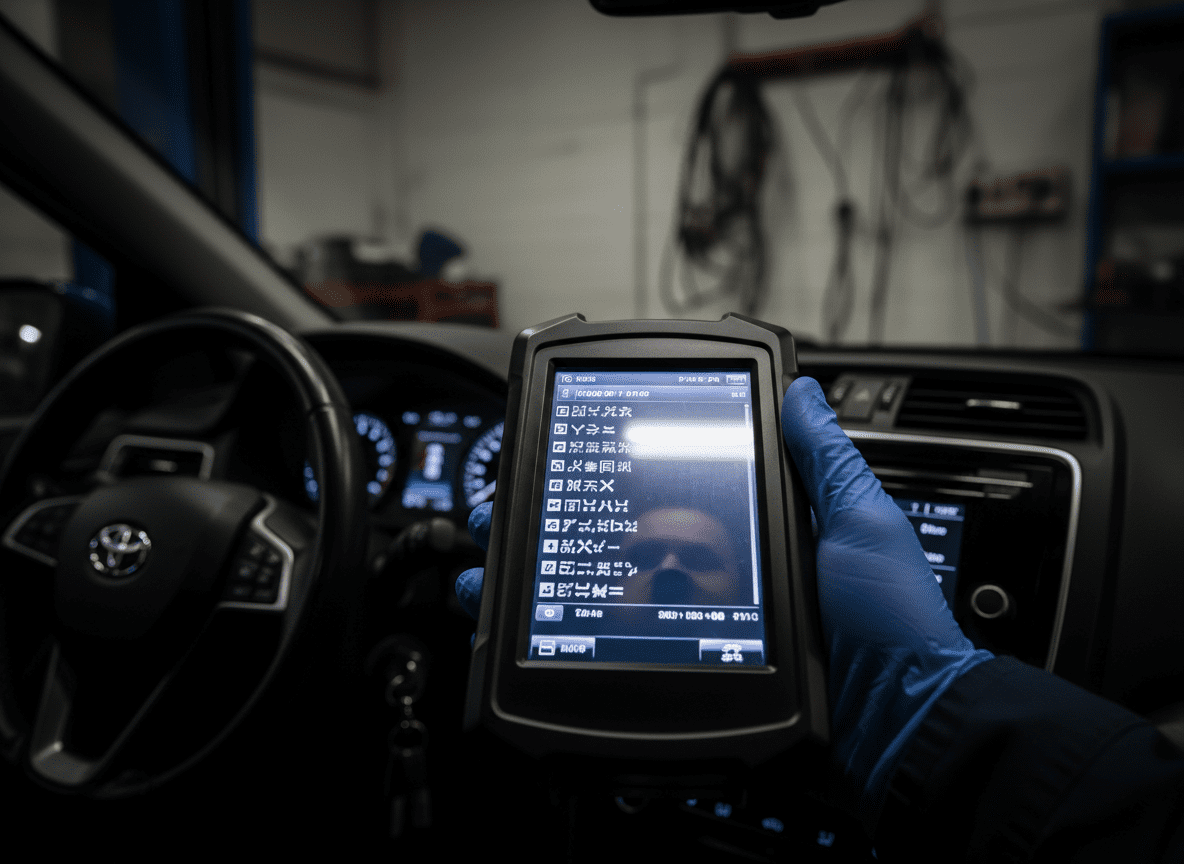
The diagnostic check that precedes any DPF cleaning work also matters here. A proper pre-work diagnostic confirms the fault code, rules out secondary faults, and documents the condition of the DPF before work begins. This record is useful evidence if a warranty question arises later — it shows the vehicle was assessed professionally and the work was justified by the fault found.
Forced regeneration
Forced DPF regeneration, carried out using specialist diagnostic equipment to run a controlled regeneration cycle, is a standard procedure used within manufacturer networks as well as by independent specialists. It does not involve physical intervention in the DPF or any modifications, and is generally not considered grounds for a warranty dispute.
What about newer vehicles still under warranty?
If your vehicle is within the first year or two of a manufacturer warranty and a DPF fault develops, consider whether the fault might be a genuine manufacturing defect before paying for independent cleaning. A new DPF should not block rapidly under normal use — if it does, this may be a warranty issue rather than a maintenance issue, and the manufacturer should be challenged on it. Getting a professional diagnostic report first gives you the documented evidence needed to make that case effectively.
Extended and aftermarket warranties
Extended warranties and aftermarket warranty products — sold by dealers, insurers, and specialist warranty providers — operate under their own terms and conditions, which vary considerably. They are not governed by the same Block Exemption rules that apply to manufacturer warranties, and some do include clauses that restrict who can carry out work or what treatments are covered.
If you have an extended warranty, read the terms carefully before booking any independent work. Key things to check:
- Whether independent or non-franchised garage work is permitted
- Whether DPF-related faults are included in the covered components list
- Whether there is a requirement to use approved parts or suppliers
- Whether a pre-authorisation call to the warranty provider is required before work begins
If your extended warranty requires pre-authorisation: Get your diagnostic check done first, confirm the fault, and then call the warranty provider with the fault code and description before agreeing any repair work. This protects both your warranty coverage and your right to choose your repairer.
Practical steps to protect yourself
Whether you are under manufacturer warranty, extended warranty, or no warranty at all, these practical steps ensure you are well-protected when dealing with a DPF fault:
- Get a proper diagnostic check first. Knowing the exact fault code and DPF condition before agreeing any work is the foundation of good decision-making — and good documentation.
- Keep records of all work done. Whether at a dealer or an independent specialist, keep copies of invoices, diagnostic reports, and work carried out. These records are your evidence if a warranty dispute arises.
- Check your warranty terms before booking. For extended warranties, make a quick call to confirm what is required before any work begins.
- Use a qualified specialist. Independent specialists who use professional equipment, follow correct procedures, and document their work are in a much stronger position if a warranty question arises.
- Do not ignore the fault. A DPF fault that is left unresolved does not improve on its own, and secondary damage to the turbo, injectors, or engine can follow. The warranty position is no better after additional damage has occurred.
DPF fault and unsure about your warranty?
Get a professional diagnostic first. We explain exactly what the fault is and what your options are across the West Midlands.
Will using DPF Clean Specialist void my manufacturer warranty?
Under the Motor Vehicle Block Exemption Regulation, a manufacturer cannot void your warranty simply because you used an independent specialist rather than a franchised dealer. The protection applies as long as the work is carried out to the manufacturer’s specification using equivalent quality products. Our diagnostic check and cleaning procedures are carried out professionally and to specification.
My car is one year old and the DPF warning light is on. Is this a warranty issue?
It may be. A DPF that blocks rapidly on a nearly new vehicle under normal use could indicate a manufacturing fault with the filter, related sensors, or EGR system. A professional diagnostic report gives you the documented evidence to challenge the manufacturer under warranty. We carry out free diagnostic checks and can provide you with the fault code details you need.
Do I need to tell my extended warranty provider before booking DPF cleaning?
It depends on your specific policy. Some extended warranties require pre-authorisation before repair work begins. Check your policy documents or call your warranty provider before booking, particularly if you are hoping to make a claim. Our diagnostic check gives you the fault code and description needed to have that conversation.
Does forced regeneration affect my warranty?
Forced regeneration is a standard diagnostic and maintenance procedure used by manufacturer networks and independent specialists alike. It does not modify the vehicle or alter any manufacturer specifications, and is generally not considered grounds for a warranty dispute under the Block Exemption.
What records should I keep after DPF cleaning to protect my warranty?
Keep copies of the diagnostic report showing the fault code and DPF condition before work began, the invoice for work carried out including details of the treatment and products used, and any post-work confirmation that the fault code was cleared. These documents are your evidence that the work was justified, professional, and carried out to specification.