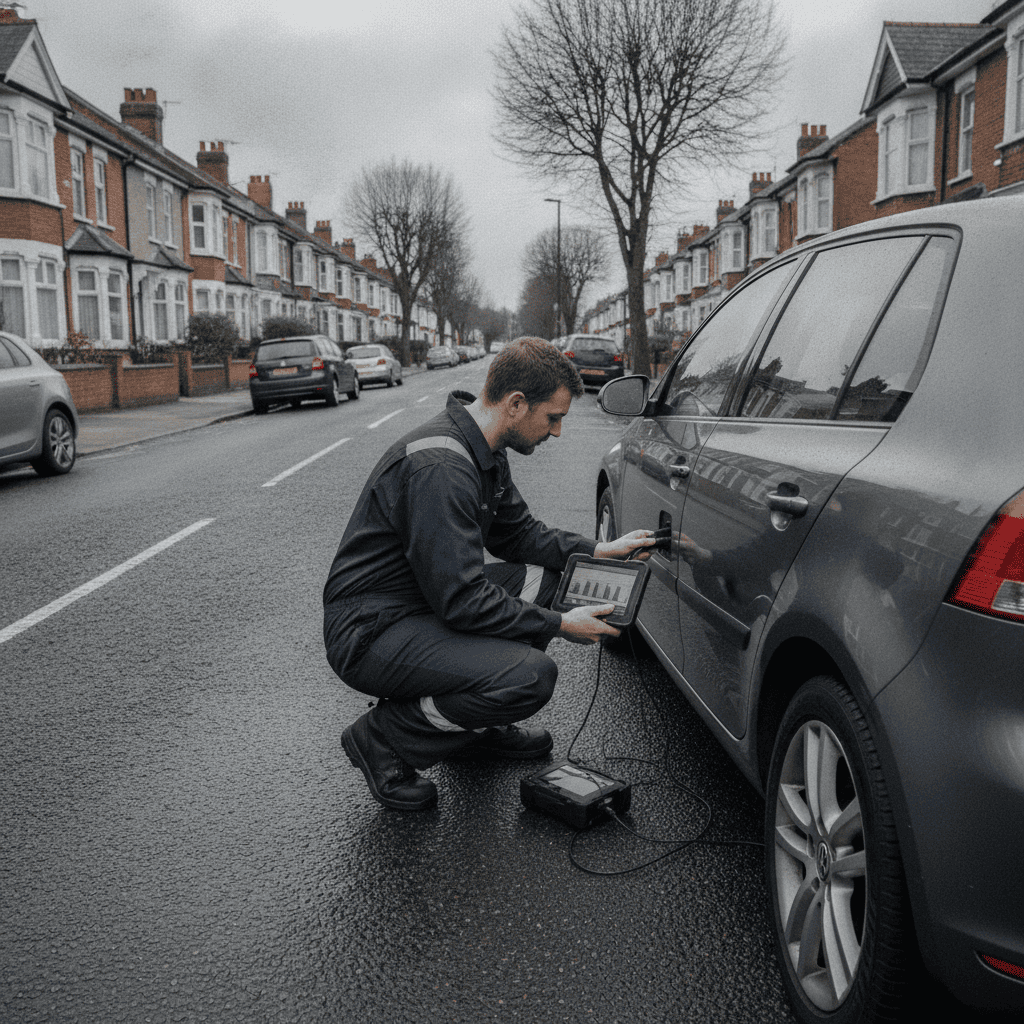
What Causes DPF Blockages and How to Prevent Them — Expert Guide
Understanding what causes DPF blockages is the first step to preventing them. Learn the root causes and practical tips to keep your diesel filter healthy.
A blocked DPF is one of the most common problems diesel vehicle owners face. But here’s the good news: most blockages are preventable through proper driving habits and maintenance. In this guide, we’ll explain exactly what causes DPF blockages and give you practical strategies to prevent them.
Understanding Your DPF: What It Does
Before we discuss blockages, let’s understand what your DPF actually does. Your diesel particulate filter traps soot and ash particles from your exhaust, preventing them from entering the atmosphere. This is great for the environment, but it means your DPF gradually fills up over time.
Your vehicle has an automatic regeneration process that burns off accumulated soot at high temperatures, clearing the filter. When this process works correctly, your DPF stays clean. When it fails, blockages develop.
Root Cause #1: Short Journeys and City Driving
The #1 cause of DPF blockages is short journeys and predominantly city driving.
Why it happens: Automatic DPF regeneration requires sustained high temperatures (typically 40+ minutes at 40mph+). Short journeys and stop-start city driving never reach these temperatures, so regeneration never completes. Soot accumulates with each journey, eventually blocking the filter.
Real example: A driver doing 5-mile city commutes multiple times daily will experience DPF blockage much faster than someone doing regular motorway driving. The filter never gets the sustained heat needed for regeneration.
How to prevent it:
- Take regular motorway trips (at least 30-40 minutes weekly at 40mph+)
- Plan longer routes when possible instead of multiple short journeys
- Combine errands into one trip rather than multiple short drives
- Consider motorway driving on weekends if your weekday commute is short
Root Cause #2: Poor Fuel Quality
The fuel you use directly affects DPF health. Low-quality diesel produces more soot.
Why it happens: Premium diesel fuel burns cleaner and produces less soot. Budget or poor-quality fuel contains more contaminants and produces excessive soot that clogs your DPF faster. Using supermarket fuel or fuel from unreliable sources increases blockage risk significantly.
Real example: A vehicle using premium fuel from major fuel stations will have a cleaner DPF than an identical vehicle using budget fuel from independent stations. The difference is measurable and significant.
How to prevent it:
- Use premium diesel from major fuel stations (Shell, BP, Esso, Texaco)
- Avoid budget fuel brands when possible
- Never use fuel from unreliable or independent sources
- Check fuel quality if you notice sudden DPF problems
- Premium fuel costs slightly more but prevents expensive DPF cleaning
Root Cause #3: Engine Problems and Faulty Components
Sometimes DPF blockages aren’t caused by normal soot accumulation—they’re caused by engine problems.
Common engine issues that cause blockages:
Faulty Injectors Worn or malfunctioning fuel injectors spray excess fuel into the combustion chamber. This unburned fuel enters the exhaust as black smoke and clogs the DPF rapidly.
EGR Valve Problems The EGR (exhaust gas recirculation) valve recirculates exhaust gases. When faulty, it sends excessive soot directly to the DPF, causing rapid blockage.
Turbo Issues A failing turbocharger can cause incomplete combustion, producing excess soot that blocks the DPF.
MAF Sensor Faults The mass airflow sensor measures air intake. When faulty, it causes incorrect fuel-air ratios, producing excess soot.
How to prevent it:
- Get regular engine diagnostics (every 50,000 miles)
- Address engine warning lights immediately
- Use professional diagnostics to identify underlying issues
- Fix injector, EGR, or turbo problems before they damage your DPF
- Regular maintenance prevents engine problems developing
Root Cause #4: Excessive Idling
Leaving your engine running without driving causes soot accumulation.
Why it happens: Idling doesn’t generate enough heat for DPF regeneration. Soot accumulates without being burned off. Extended idling (waiting for passengers, warming up the engine, etc.) contributes to blockage.
Real example: A delivery driver who idles frequently between stops will experience DPF problems faster than a driver who turns off the engine during stops. The accumulated idle time directly impacts DPF health.
How to prevent it:
- Turn off your engine during stops (modern diesels don’t need warming up)
- Avoid prolonged idling while waiting
- Don’t leave the engine running unnecessarily
- Modern diesel engines start efficiently without warm-up time
- Minimize idle time to protect your DPF
Root Cause #5: Neglected Maintenance
Vehicles that skip regular servicing develop DPF problems faster.
Why it happens: Regular maintenance includes oil changes, filter replacements, and component checks. Neglected maintenance allows small problems to become big ones. Dirty oil, clogged air filters, and worn components all contribute to excess soot production.
How to prevent it:
- Follow manufacturer service schedules
- Change oil and filters at recommended intervals
- Get regular DPF diagnostics (every 50,000-80,000 miles)
- Address warning lights immediately
- Keep detailed maintenance records
- Regular servicing prevents DPF problems developing
Root Cause #6: Driving Style and Habits
How you drive affects your DPF health.
Aggressive driving habits that cause blockages:
- Excessive acceleration and hard braking
- Driving at low RPMs in high gears
- Frequent gear changes and inconsistent throttle
- Towing heavy loads without proper maintenance
- Driving in mountainous or hilly terrain constantly
Smooth driving habits that protect your DPF:
- Steady acceleration and smooth braking
- Appropriate gear selection for speed
- Consistent throttle position
- Avoiding unnecessary towing
- Smooth, predictable driving patterns
How to prevent it:
- Drive smoothly and predictably
- Maintain steady speeds on motorways
- Avoid aggressive acceleration
- Use appropriate gears for your speed
- Plan routes to minimize stop-start driving
Root Cause #7: Towing and Heavy Loads
Towing significantly increases DPF blockage risk.
Why it happens: Towing heavy loads forces your engine to work harder, producing excess soot. The engine can’t reach optimal regeneration temperatures while towing. Repeated towing without proper maintenance causes rapid DPF accumulation.
How to prevent it:
- Avoid towing when possible
- If towing is necessary, plan regular motorway driving afterward
- Get DPF diagnostics before and after towing seasons
- Use premium fuel when towing
- Reduce towing frequency if experiencing DPF problems
- Consider professional DPF cleaning before heavy towing periods
Prevention Strategy #1: Regular Motorway Driving
The single most effective DPF prevention strategy is regular motorway driving.
Why it works: Motorway driving at 40mph+ for 30-40 minutes allows automatic DPF regeneration to complete. This burns off accumulated soot naturally without any intervention needed.
How to implement it:
- Take at least one motorway trip weekly (30-40 minutes minimum)
- Maintain steady speeds of 40mph or higher
- Avoid excessive braking and acceleration
- Plan longer routes instead of multiple short journeys
- Weekend motorway drives count—consistency matters
Expected results: Vehicles with regular motorway driving experience 70-80% fewer DPF problems than city-only drivers.
Prevention Strategy #2: Scheduled DPF Diagnostics
Regular professional diagnostics catch problems early before they become blockages.
What diagnostics reveal:
- Current DPF blockage percentage
- Soot accumulation trends
- Underlying engine issues contributing to excess soot
- Sensor faults causing false blockage signals
- Regeneration success rates
How often to get diagnostics:
- Every 50,000-80,000 miles for normal driving
- Every 30,000-40,000 miles if doing lots of city driving
- Every 20,000 miles if towing regularly
- Immediately if warning lights appear
Expected results: Early detection allows preventive cleaning before emergency situations develop. Costs £0-£50 for diagnostics vs £300-£2,000+ for emergency repairs.
Prevention Strategy #3: Fuel Quality Management
Using quality fuel is one of the simplest prevention strategies.
Fuel quality impact:
- Premium fuel: 20-30% less soot production
- Budget fuel: 40-50% more soot production
- Contaminated fuel: 60%+ more soot production
How to ensure fuel quality:
- Use major fuel station brands exclusively
- Avoid independent or unknown fuel sources
- Use premium diesel grades when available
- Check fuel quality if experiencing sudden DPF problems
- Premium fuel costs slightly more but prevents expensive problems
Prevention Strategy #4: Proactive Engine Maintenance
Keeping your engine in top condition prevents excess soot production.
Key maintenance tasks:
- Oil changes at recommended intervals (synthetic oil preferred)
- Air filter replacements to ensure clean combustion
- Fuel filter changes to prevent contamination
- Regular engine diagnostics to catch issues early
- Address warning lights immediately
- Fix injector, turbo, or EGR problems promptly
Expected results: Well-maintained engines produce 30-40% less soot, significantly reducing DPF blockage risk.
Prevention Strategy #5: Driving Habit Optimization
Smooth, consistent driving protects your DPF.
Best practices:
- Accelerate smoothly and gradually
- Maintain steady speeds on motorways
- Avoid excessive braking and gear changes
- Use appropriate gears for your speed
- Plan routes to minimize stop-start driving
- Avoid towing when possible
Expected results: Drivers with smooth driving habits experience 25-35% fewer DPF problems than aggressive drivers.
The Complete DPF Prevention Checklist
✅ Take regular motorway trips (30-40 minutes weekly at 40mph+)
✅ Use premium diesel fuel from major fuel stations
✅ Get DPF diagnostics every 50,000-80,000 miles
✅ Follow manufacturer service schedules religiously
✅ Address engine warning lights immediately
✅ Drive smoothly and avoid aggressive acceleration
✅ Minimize short journeys and city-only driving
✅ Avoid excessive idling and unnecessary towing
✅ Use synthetic oil for better engine protection
✅ Fix injector, turbo, or EGR problems promptly
When Prevention Isn’t Enough
Even with perfect prevention, some DPF blockages still occur. If you experience warning lights or symptoms despite following prevention strategies, professional cleaning is the solution.
Signs you need professional service:
- DPF warning light appears
- Loss of engine power or limp mode
- Increased fuel consumption
- Excessive exhaust smoke
- Failed MOT emissions test
Don’t delay: Early intervention prevents expensive emergency repairs.
Get Professional DPF Care
Keep your DPF healthy with professional diagnostics and preventive maintenance.
Book Free Diagnostics Today
Call +44 7481 286201