How Long Does DPF Cleaning Take?
Drivers often ask how long a DPF repair actually takes.
Some jobs are completed in under an hour. Others take much longer depending on the condition of the filter and the fault involved.
This guide explains realistic timeframes for regeneration, mobile cleaning, and full diagnostics.
When a diesel particulate filter becomes blocked, one of the first questions drivers ask is simple:
How long does DPF cleaning take?
The answer depends on several factors. The severity of the blockage, the condition of the sensors, and the repair method all influence the time required to restore normal operation.
In many cases, a blocked DPF can be resolved within an hour. In other situations, deeper faults mean diagnostics and cleaning take longer.
This article explains:
- Typical timeframes for different DPF repairs
- How long forced regeneration normally takes
- How mobile DPF cleaning works
- What factors make some repairs longer
- How to know if your DPF issue can be fixed quickly
Understanding these timelines helps drivers make better decisions before booking a repair.
Table of Contents
- Typical DPF Cleaning Time Explained
- How Long Does Forced DPF Regeneration Take?
- How Long Does Mobile DPF Cleaning Take?
- Why Some DPF Repairs Take Longer
- Can You Drive While a Regeneration Happens?
- When Cleaning Takes Longer Than Expected
- When Mobile Cleaning Is the Fastest Solution
- When a DPF May Need Removal Cleaning
- Signs Your DPF Needs Cleaning Soon
- How Long a Full DPF Repair Appointment Usually Takes
Typical DPF Cleaning Time Explained
Most DPF repairs fall into three main categories.
The time required depends on the severity of the problem and the repair method used.
- Forced DPF regeneration: 20–40 minutes
- Mobile DPF cleaning: around 60–90 minutes
- Advanced cleaning or complex faults: several hours
Before any cleaning begins, proper diagnostics should always be performed.
These checks help confirm whether the blockage is caused by soot accumulation, sensor faults, or deeper mechanical problems.
Without diagnostics, a quick repair may fail and the problem can return shortly afterwards.
For example, if pressure sensors are reporting incorrect values, regeneration may fail repeatedly even though the filter itself is not severely blocked.
Understanding pressure readings is critical. This is explained in detail here: DPF pressure readings explained.
Once diagnostics identify the problem, technicians can choose the fastest and safest solution.
How Long Does Forced DPF Regeneration Take?
Average regeneration time
Forced regeneration is often the quickest solution when a DPF blockage is still moderate.
Most forced regeneration procedures take between 20 and 40 minutes.
During this process the engine management system increases exhaust temperatures high enough to burn soot inside the filter.
This controlled burn converts soot into ash and clears the restriction.
What happens during regeneration
During a forced regeneration procedure, several things occur:
- Engine speed is raised
- Fuel injection strategy changes
- Exhaust temperatures increase
- Soot inside the filter burns away
The system monitors pressure readings to confirm the filter is clearing correctly.
If pressure drops as expected, the regeneration is successful.
When regeneration may fail
Regeneration does not always succeed.
It may fail if:
- Soot levels are too high
- Pressure sensors are faulty
- The vehicle has underlying engine faults
- Previous regeneration attempts were interrupted
When regeneration fails repeatedly, deeper cleaning is usually required.
Understanding regeneration types can help explain the process further: active vs forced DPF regeneration.
How Long Does Mobile DPF Cleaning Take?
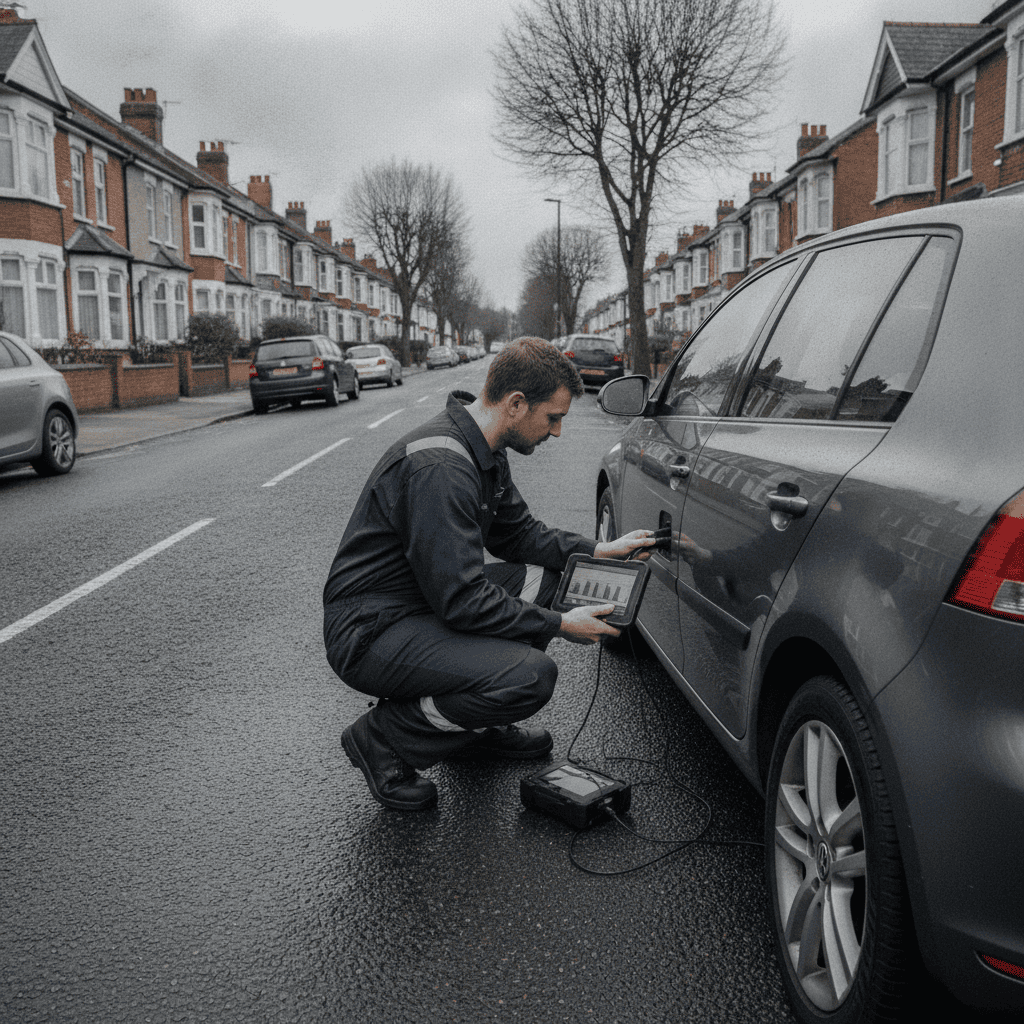
Mobile DPF cleaning is designed to solve blockages without removing the filter from the vehicle.
This process typically takes between 60 and 90 minutes.
The exact time depends on the condition of the filter and the results of the initial diagnostics.
Step 1: Diagnostics
The technician begins by checking the vehicle’s DPF data.
This usually includes:
- Differential pressure readings
- Fault codes
- Regeneration history
- Soot load estimates
This step normally takes around 15–30 minutes.
Step 2: Cleaning procedure
Once diagnostics confirm the filter is suitable for mobile cleaning, specialised equipment is used to break down soot deposits inside the DPF.
This stage often takes around 30–45 minutes.
Cleaning chemicals dissolve soot buildup and restore airflow through the filter.
Step 3: Verification testing
After cleaning, pressure readings are measured again.
If airflow improves significantly, the repair is successful.
Technicians may then perform a regeneration cycle to complete the process.
This ensures the filter is operating normally before the vehicle returns to the road.
Why Some DPF Repairs Take Longer
Not all blocked filters behave the same way.
Several factors can extend the time required to complete a repair.
Severity of blockage
Light soot accumulation can often be resolved quickly with regeneration.
Heavier soot loading may require deeper cleaning.
Sensor problems
Faulty sensors can prevent regeneration from starting.
In these cases the repair involves both diagnostics and cleaning.
Driving patterns
Vehicles used mainly for short journeys often experience repeated DPF issues.
Urban driving prevents the exhaust system reaching temperatures required for passive regeneration.
This issue is explained further here: short journeys and DPF problems.
Multiple failed regenerations
If a vehicle has attempted regeneration several times unsuccessfully, soot accumulation may be severe.
This increases repair time and complexity.
Can You Drive While a DPF Regeneration Happens?
In some situations a vehicle can regenerate while being driven.
This is known as active regeneration.
It typically occurs when the vehicle is driven at steady speeds for long enough.
Motorway driving can help maintain exhaust temperatures needed for the process.
However, motorway driving alone does not always solve DPF issues.
This topic is explained in more detail here: does motorway driving clean a DPF.
If warning lights are already active, professional diagnostics are usually required.
Signs Your DPF Needs Cleaning Soon
Recognising early symptoms can prevent more serious problems.
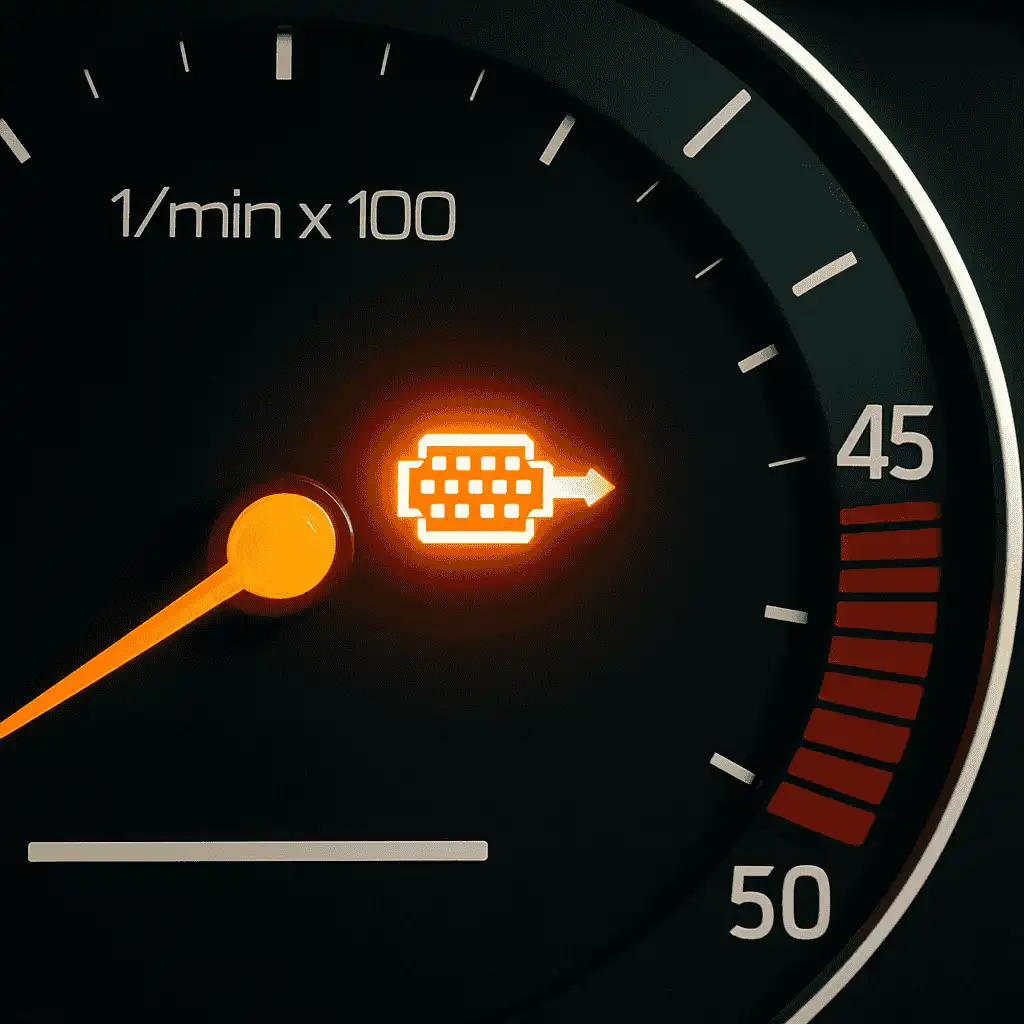
- DPF warning light appears
- Vehicle enters limp mode
- Fuel consumption increases
- Frequent regeneration cycles occur
- Engine power feels reduced
Driving with a restricted filter can eventually damage other components.
These risks are explained here: driving with a blocked DPF risks.
Need Fast DPF Cleaning?
Mobile diagnostics and cleaning can resolve most DPF issues quickly without removing the filter.
Professional assessment ensures the right repair method is used the first time.
We provide mobile DPF cleaning across the West Midlands, including Cannock, Wolverhampton, Birmingham and Sutton Coldfield — book a free diagnostic and we’ll come to you.