The Link Between Your EGR Valve and Your DPF
Many diesel drivers who come to us with a blocked DPF are surprised to learn that the root cause is a faulty EGR valve. The two systems are directly connected — and when the EGR valve is not functioning correctly, the DPF is almost always affected.
Understanding how these components work together explains why treating the DPF in isolation often does not provide a lasting fix. If the underlying EGR problem is not addressed, the DPF will block again.
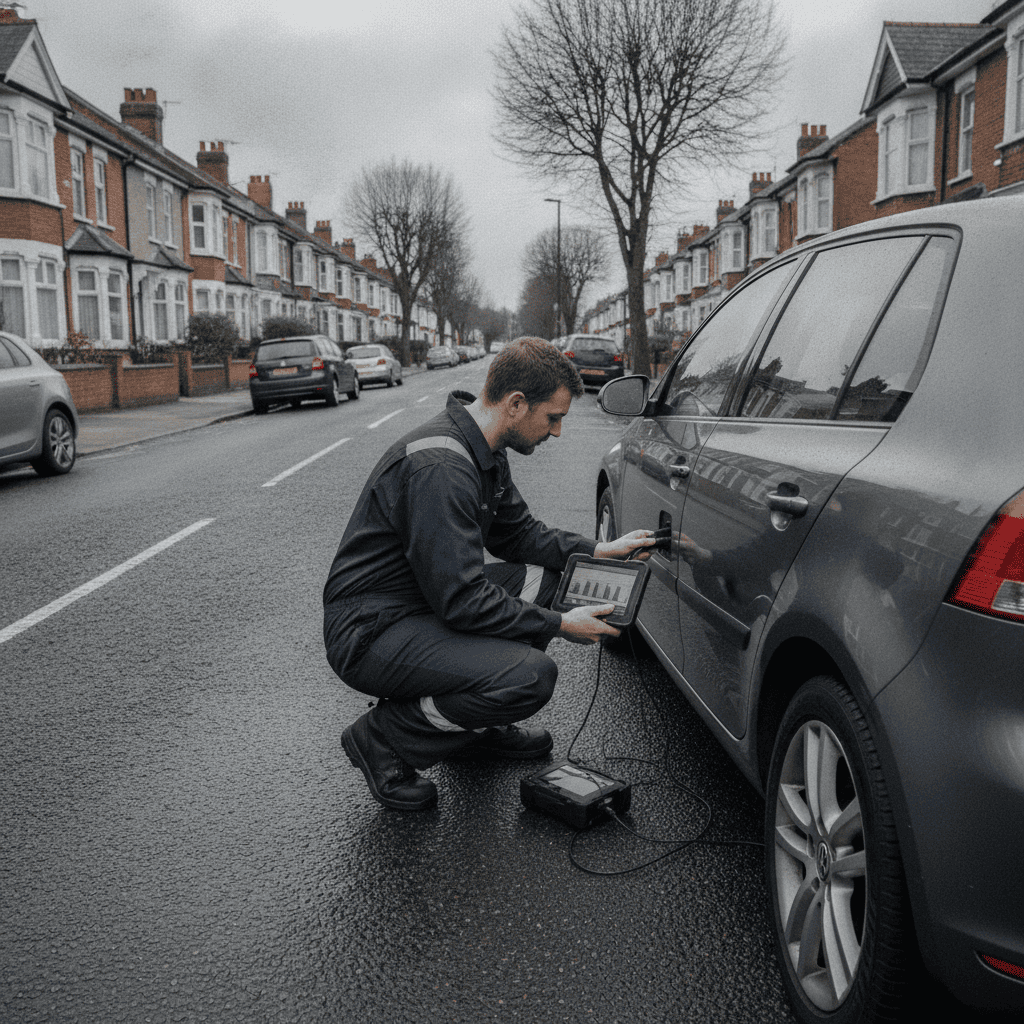
DPF Clean Specialist diagnoses both systems during every assessment. Our mobile service covers the West Midlands — we come to you, carry out a full diagnostic check, and explain clearly what we have found before any work begins.
Book Free DPF and EGR Diagnostics
We attend your location across the West Midlands. Same-day appointments available for urgent faults.
In This Guide
What the EGR Valve Does
EGR stands for Exhaust Gas Recirculation. The EGR valve returns a portion of exhaust gases back into the engine’s intake manifold. This reduces combustion temperatures and lowers nitrogen oxide emissions — which is why it is fitted to almost all modern diesel vehicles.
In practice, the EGR valve operates in a warm, soot-laden environment and accumulates carbon deposits over time. As carbon builds up, it can:
- Stick partially open — allowing too much exhaust gas recirculation
- Stick partially closed — reducing the intended recirculation
- Fail to respond correctly to engine management commands
- Introduce excessive soot and oil deposits into the intake system
All of these problems have a direct impact on combustion quality — and consequently, on how much soot is produced and reaches the DPF.
How EGR Faults Cause DPF Blockages
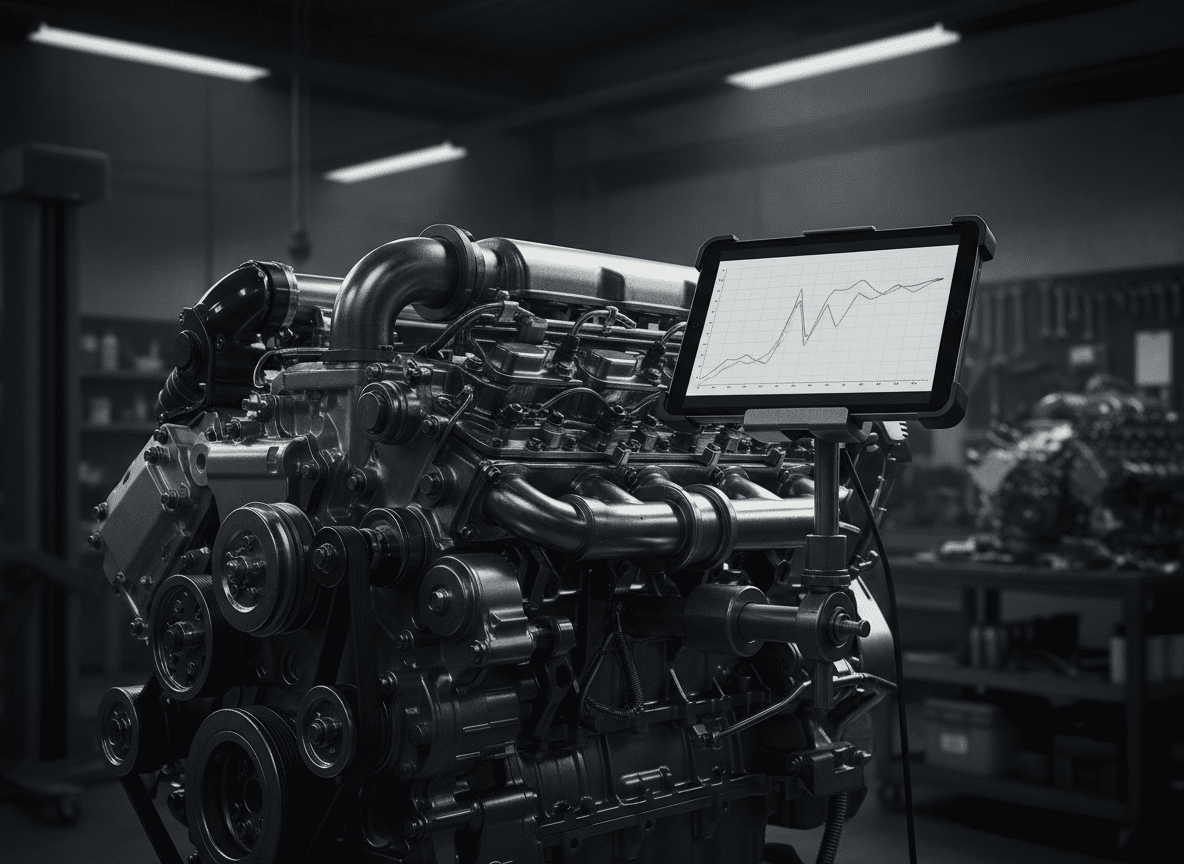
When the EGR valve is faulty, combustion becomes less efficient. Incomplete combustion produces more particulate matter — soot — which passes directly into the exhaust stream and through to the DPF.
A DPF handling normal soot loads from a healthy engine can manage regeneration cycles without difficulty. A DPF receiving excessive soot from a poorly combusting engine is overwhelmed. Regeneration cannot keep up with the rate of loading — and the filter blocks.
Key point: If your DPF has blocked more than once in a relatively short period, an EGR fault is one of the most likely underlying causes. Cleaning the DPF without addressing the EGR problem is a temporary fix at best.
Additional issues caused by a stuck-open EGR valve include oil contamination in the intake, which can coat the DPF with oil residues that are particularly difficult to burn off during regeneration.
Symptoms of Combined EGR and DPF Faults
The symptoms of an EGR fault often overlap with DPF symptoms — which is why professional diagnostics are essential for identifying the true cause.
EGR-specific symptoms
- Rough or lumpy idle — particularly on cold starts
- Loss of power on acceleration, especially at lower engine speeds
- Increased black smoke from the exhaust under acceleration
- Engine management light active with EGR-related fault codes
- Smell of unburnt diesel from the intake or exhaust
When EGR and DPF faults combine
- DPF warning light active alongside engine management light
- DPF blocking more frequently than expected given your driving pattern
- Forced regeneration clearing the DPF fault temporarily, but blockage returning within weeks
- Limp mode — the engine management system restricting power due to multiple related faults
- Fuel economy noticeably worse than usual over a sustained period
Do not assume cleaning alone will fix it: If your DPF is blocking repeatedly, the EGR system should be assessed before any further cleaning work is carried out.
Common EGR and DPF Fault Codes
When we connect to your vehicle, we read the full range of stored and pending fault codes — not just the DPF-specific ones.
| Fault Code | Description | Likely Cause |
|---|---|---|
| P0401 | EGR flow insufficient detected | Blocked or stuck EGR valve, clogged passages |
| P0402 | EGR flow excessive detected | EGR valve stuck open |
| P0404 | EGR circuit range/performance | EGR valve actuator fault, sensor fault |
| P2002 | DPF efficiency below threshold (bank 1) | DPF blocked or damaged, poor regeneration |
| P2452 | DPF differential pressure sensor circuit range | Sensor fault or genuine high pressure from blockage |
| P2454 | DPF differential pressure sensor circuit low | Sensor wiring, sensor failure |
Seeing both EGR codes and DPF codes active at the same time is a strong indicator that the EGR fault is contributing to the DPF problem.

EGR Cleaning vs EGR Remapping
When an EGR valve fault is identified, there are two main approaches to resolving it alongside the DPF issue.
EGR cleaning
Carbon deposits can sometimes be removed using specialist cleaning products or manual cleaning of the valve and EGR passages. This is appropriate when the valve itself is mechanically sound and the fault is purely down to carbon build-up.
EGR remapping
EGR remapping uses an engine management remap to modify how the EGR system operates. DPF Clean Specialist offers EGR remapping as a supported service for vehicles where the EGR valve is the confirmed root cause of recurrent DPF blockages. Before any remapping work is carried out, we diagnose the system fully to confirm the EGR fault is present. More information is available on the EGR remapping page.
How We Diagnose Both Systems
Our mobile diagnostic process reads data from both the DPF and EGR systems together — giving a complete picture of how the two are interacting.
- Full fault code read — we retrieve all stored, pending, and manufacturer-specific codes including EGR and DPF-related entries
- Live data review — we examine real-time EGR valve position, DPF pressure differential, soot loading percentage, and exhaust temperature readings
- Regeneration history — we check how recently the DPF last completed a successful regeneration and how many failed attempts have been recorded
- Intake assessment — where accessible, we check for signs of carbon build-up or oil contamination in the intake system
- Clear findings and recommended action — we explain what we have found in plain language and recommend the most cost-effective path to resolution
Suspected EGR or DPF Fault? Book a Free Assessment
We diagnose both systems together at your West Midlands location. No garage needed — we come to you.
Can a faulty EGR valve cause my DPF to fail its MOT?
Yes. An EGR fault that increases particulate emissions or leads to a blocked DPF can result in an MOT failure. Resolving both faults before the test is important.
My DPF was cleaned three months ago and has blocked again. Could the EGR be causing it?
A DPF that blocks more than once within a short period strongly suggests an underlying cause. EGR faults are one of the most common contributors to repeat DPF blockages. We recommend a full system diagnostic to check both before any further cleaning is carried out.
What is EGR remapping and will it affect my warranty?
EGR remapping adjusts the engine management parameters that govern EGR system operation. As with any remap, it may affect manufacturer warranty coverage. We explain this clearly before any remapping work begins.
Do you carry out EGR and DPF work at my location?
Yes. Our diagnostic service, DPF cleaning, and EGR remapping are all available at your home or workplace across the West Midlands.
How do I know if my EGR valve needs cleaning or remapping?
The diagnostic data tells us. If the valve is mechanically functional and the fault is carbon build-up, cleaning is the appropriate first step. If the valve is causing recurrent DPF blockages, remapping may be the more effective solution.